
August 6, 2025
The digital landscape is experiencing a fundamental shift in how users interact with information online. As artificial intelligence reshapes our expectations for instant, precise answers, we’re witnessing what may be the most significant change in web interaction since the invention of the search button. The question isn’t whether this transformation is coming — it’s how quickly websites will adapt to meet users’ evolving expectations.
Traditional website search functions were designed with good intentions but delivered frustrating experiences. When users typed in their queries, they received what websites thought they wanted: a list of links to pages that might contain relevant information. The burden of finding the actual answer remained squarely on the user’s shoulders.
Visits website with a specific questionTries the search functionGets 10–20 link suggestionsClicks a fewDoesn’t find direct answerLeaves frustrated
Early internet directories were manually curated lists, requiring lots of clicking. Google changed that with PageRank — a smarter way to sort links.
But even Google’s results are based on a model designed to generate traffic, not deliver instant answers.
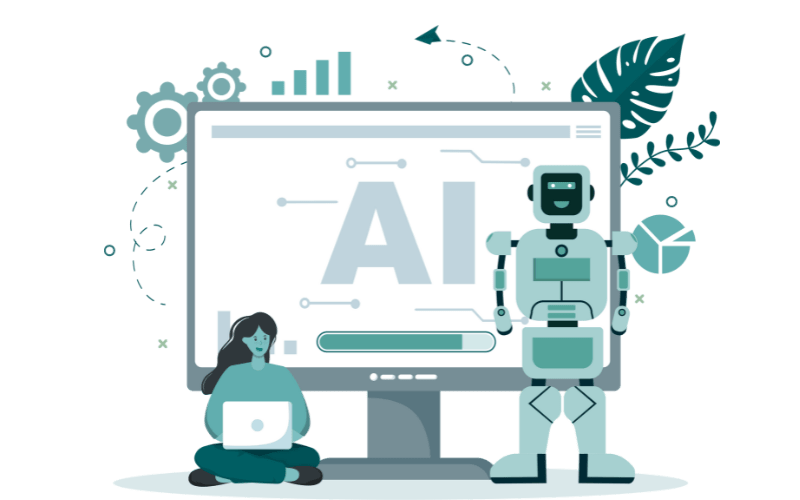

ChatGPT changed everything. For the first time, users experienced precise, complete answers instantly. No jumping through links, no wasted effort.
It wasn’t just smarter tech — it redefined what users expect from websites.
Google began showing AI-generated answers at the top of search results. These synthesize information from multiple sources to give users a complete, accurate answer — no clicks required.
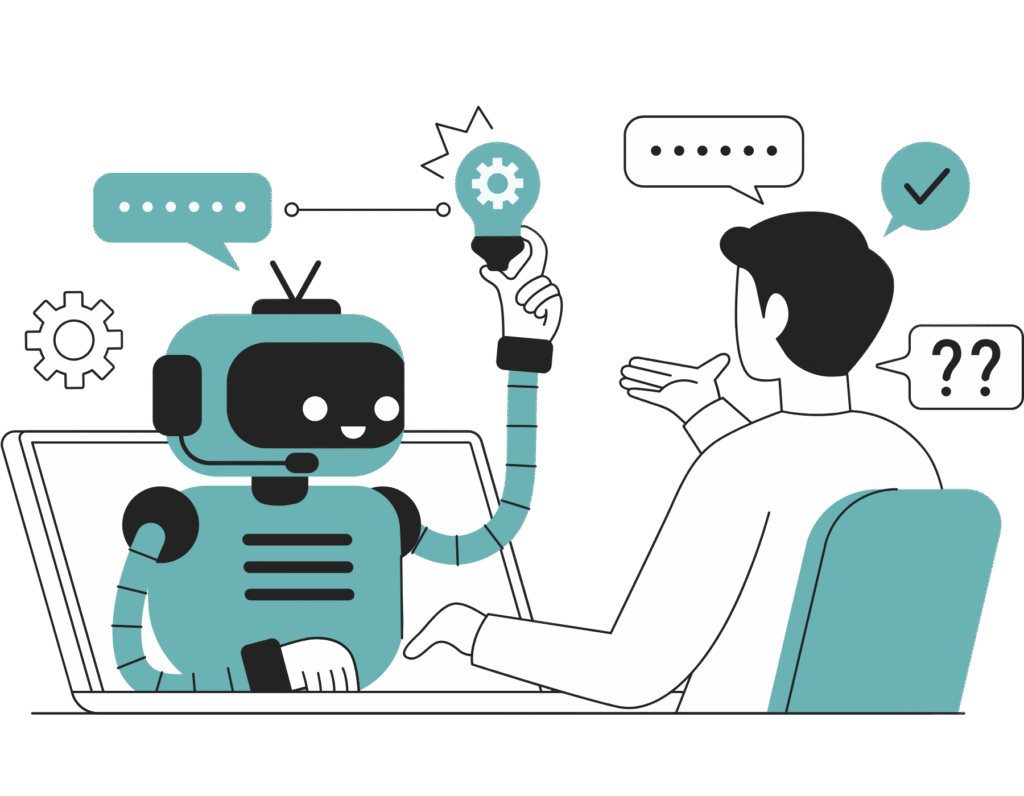

Why should your website make users work harder than a search engine? Traditional models — long menus, poor search, “Contact Us” forms — feel outdated in the age of AI.
Users now expect intelligent, real-time answers on your website.
They feel like pushy salespeople.
What users want now: A Gen-AI engine that listens first, responds smartly, and helps before selling. Trust-building, not lead-pushing.
We added Ansera and our support tickets dropped by 40%.
The shift is bigger than layout — it’s behavioral.
Users now expect chat-like answers directly from your website.